
ARTICLES
The latest articles and news items

WHAT DO FOAM ROLLERS DO?:
By Kyle Stull In the last decade, the use of foam rolling has become increasingly popular for athletes and average Joes alike. Foam rolling as a corrective exercise method makes sense – they feel “good,” seem to work well, have an excellent cost to benefit ratio, and...

SHEDDING A NEW LIGHT ON YOUR REST DAY:
By Morgan Shapiro Rest days. Something all of us gym rats know we need to partake in, but often have a hard time doing. We are regularly exposed to phrases such as “no days off” or “no pain, no gain.” While working hard and pushing ourselves in the gym is excellent,...
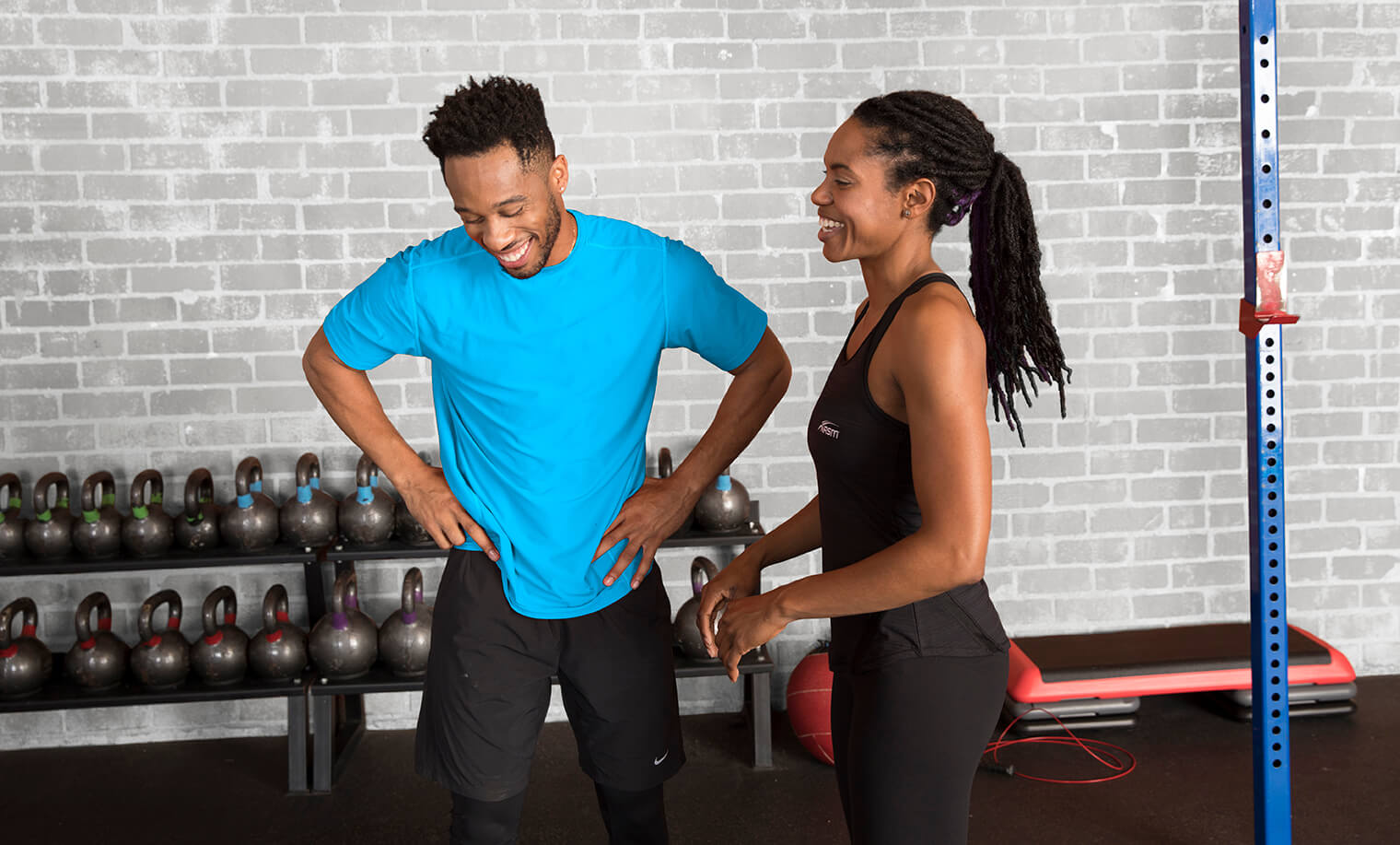
HOW TO MAKE HABITS WORK FOR YOUR GOOD INTENTIONS:
By Justin Kompf Imagine that you had to think about which hand to pick a phone up with every time it rang, if you had to consciously deliberate on whether or not to brush your teeth in the morning, or put your seatbelt on when you got in the car, or to go when the...
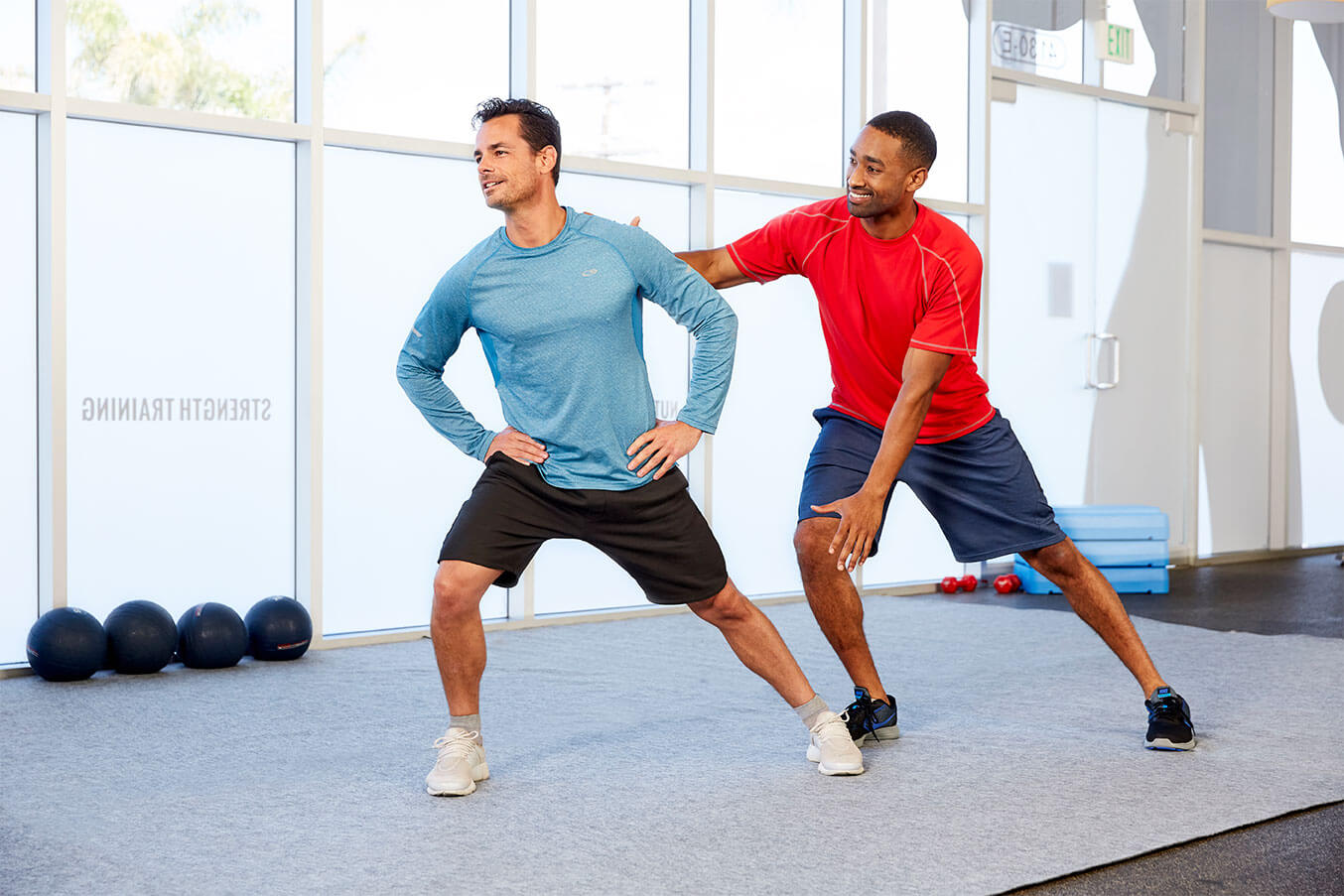
A GUIDE TO NASM’S CORRECTIVE EXERCISE CONTINUUM (CEX):
By Kyle Stull Corrective Exercises are a technique used by health & fitness professionals to address and fix movement compensations and imbalances. These exercises are commonly used by personal trainers, massage therapists and chiropractors, to help clients move...
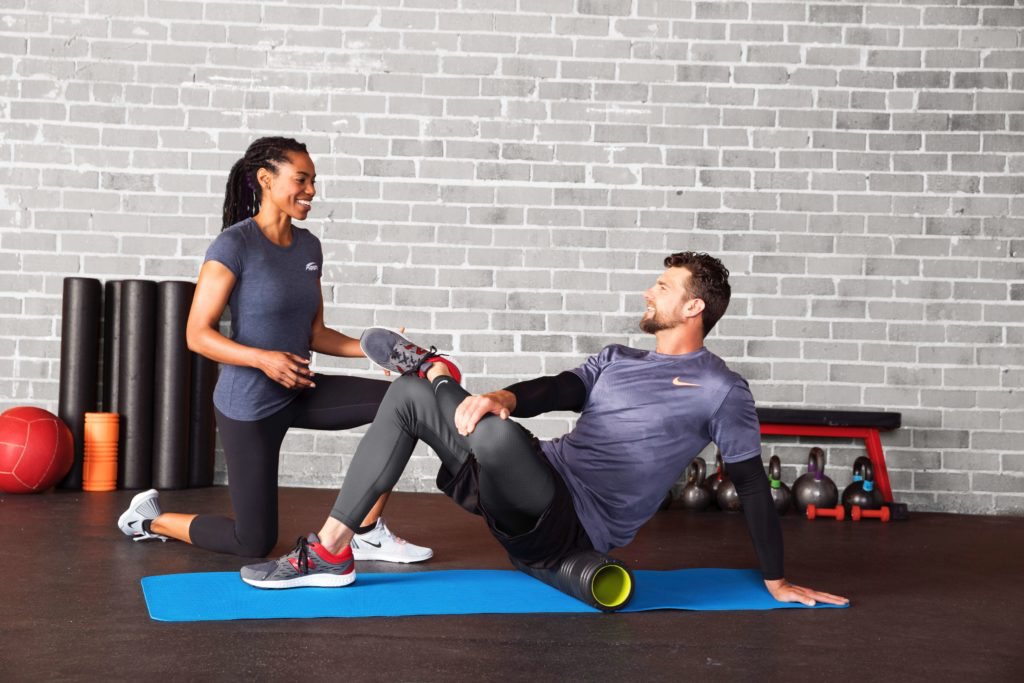
FOAM ROLLER EXERCISES
By Kyle Stull Effective and efficient rolling means identifying and targeting the muscles that need it – the muscles that are likely the root cause of less than optimal movement. In many cases, muscles become overactive and short, leading to sensations of tightness...
THE NASM-CPT PODCAST: KEYS TO A SUCCESSFUL PERSONAL TRAINING BUSINESS:
By NASM Some personal trainers have an impressive list of credentials but a small client base, while others aren’t as educated but are always booked. What’s the difference between them? In this episode, Rick Richey discusses how to find the balance between these two...
THE NASM-CPT PODCAST: STABILIZATION ENDURANCE TRAINING:
By NASM his episode discusses the Stabilization Endurance Training phase of the OPT™ Model. In this session, there is a discussion about all the components leading up to resistance training which include: Flexibility (SMR and static stretching) Core Balance Reactive...

A HEALTHY APPROACH TO EATING DURING THE HOLIDAY SEASON:
By Brad Dieter The holiday season can be a stressful time to adhere to a regular diet schedule. There are holiday parties, travel, an abundance of holiday goodies lying around the house, and there is more time spent indoors and less time exercising. HOLIDAY WEIGHT...

OPTIONS FOR AN ACTIVE VACATION:
By Dana Bender I love to travel to new destinations and experience new cities, cultures, and cuisines. If you are similar to me and exercise is an ingrained daily habit, the question becomes, “how do I stay active and exercise while still enjoying myself on...

YOUR TWO BRAINS: HOW THEY INFLUENCE YOUR HEALTH DECISIONS:
By Justin Kompf A hypothetical person, we will call him Justin, has a thought: he will wake up at 6:00 a.m. and go to the gym. He closes his eyes to sleep, filled with great intentions to exercise the next day. He even sets his alarm for 5:50 a.m. just in case. In...

PLANNING TRAINING AROUND ONE’S OWN BIOLOGICAL CLOCK FOR PEAK PERFORMANCE:
By DR. Allison BRAGER The expression “training around the clock” has more scientific merit than many would expect. Typically, it’s used to refer to the daily grind of balancing training with work, meal preparation for training, and finding time to recover. For sleep...

BEING SENSIBLE IS KEY TO NUTRITION RELATED NEW YEAR’S RESOLUTIONS:
By Brad Dieter For many people, clients and coaches alike, the start of a new year means a fresh outlook and often, resolutions to change or improve certain areas of your life. Sadly, many New Year’s resolutions don’t end up being overly successful. Depending on the...